+86-17352986732

Reliable Connectivity: The Advantages of the N Type Connector in RF Systems

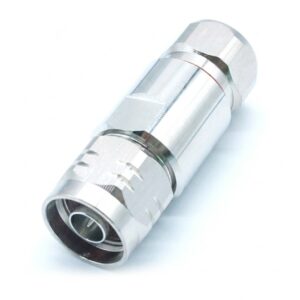
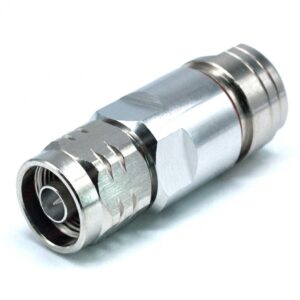
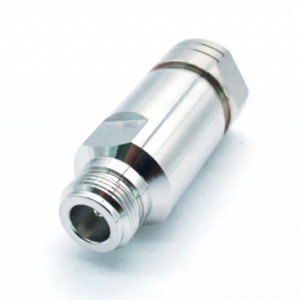
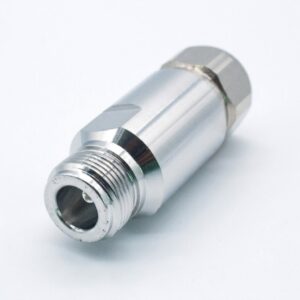
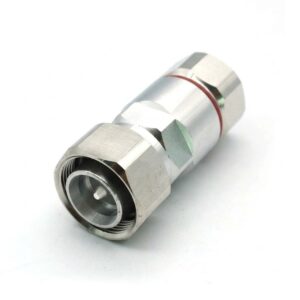
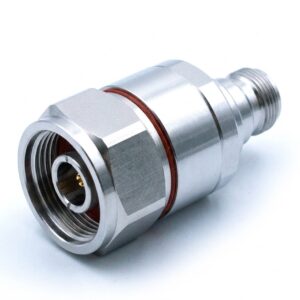
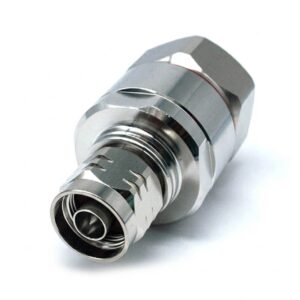
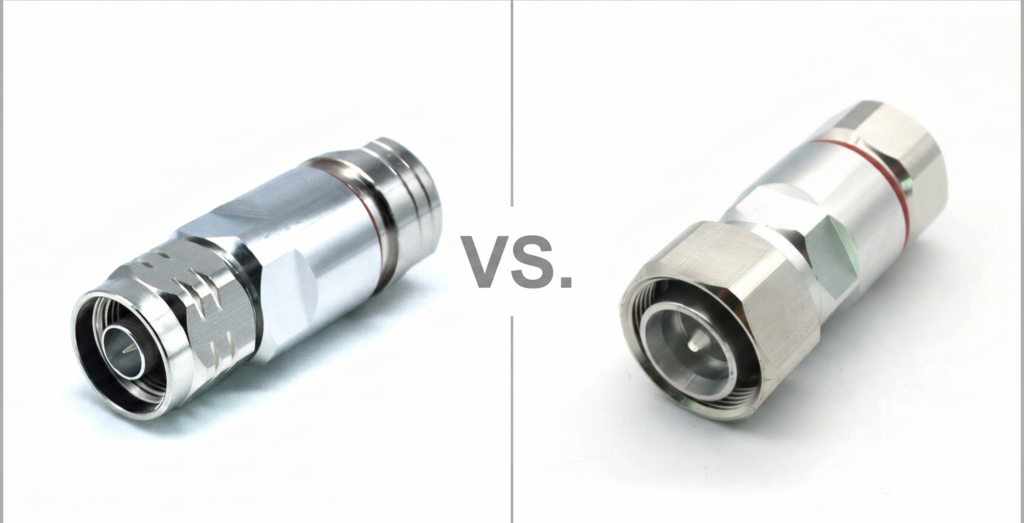
As a cornerstone of high-performance RF passive systems, the N type connector remains the industry standard for Distributed Antenna System (DAS) and Public Safety (ERRCS) installations. Known for its robust threaded coupling mechanism, the N connector provides a secure, vibration-proof connection that is essential for maintaining signal integrity in demanding environments.

Durability and Wideband Performance

The primary advantage of the N female connector and N male connector is their ability to support frequencies up to 11 GHz with exceptional stability. These connectors are designed to handle high power levels while maintaining low insertion loss and excellent VSWR. Their weather-resistant design makes them ideal for both indoor ceiling-mounted antennas and outdoor stadium applications, ensuring long-term reliability against environmental factors.

Versatility in DAS Integration

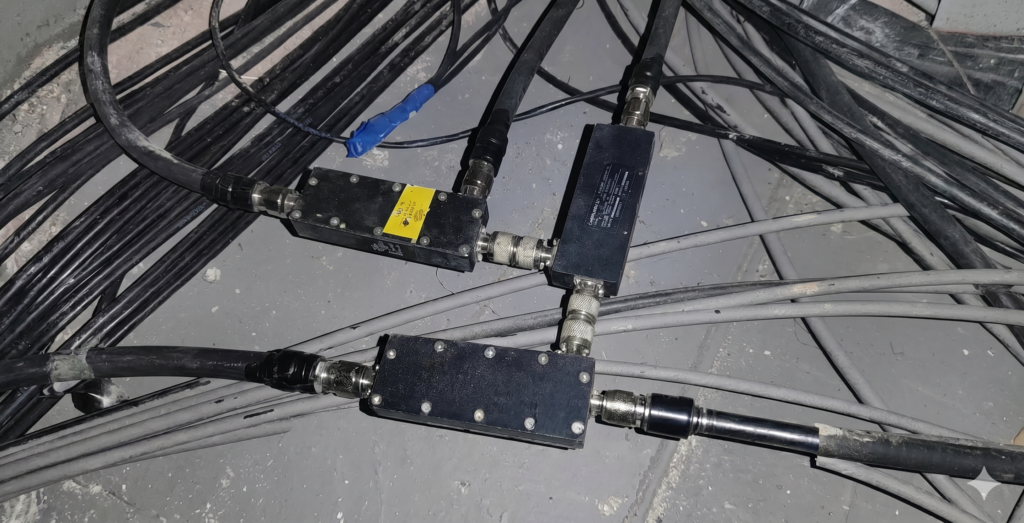
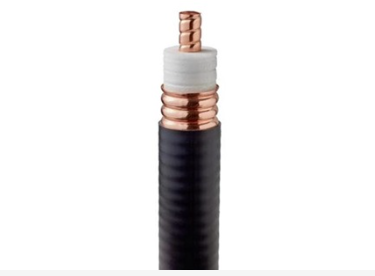
In modern 5G and LTE deployments, the N type connector offers the versatility required to interface with a wide range of coaxial cables and passive components like power splitters and couplers. At Hefei BRI Electronic & Technology Co., Ltd., we prioritize precision engineering in our N-type components to minimize passive intermodulation (PIM), ensuring your network achieves the highest possible data throughput and coverage efficiency.

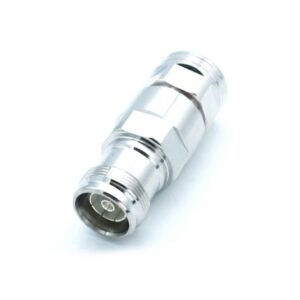
The Evolution of RF Integration: Why the 4.3-10 Connector is Replacing the N Type

In the rapidly advancing world of telecommunications, particularly within 5G and Distributed Antenna System (DAS) networks, equipment must meet increasingly stringent performance standards. For decades, the N type connector has been an industry staple. However, the 4.3-10 connector is rapidly replacing it as the definitive standard for high-performance RF passive components.


The primary catalyst for this shift is Passive Intermodulation (PIM). Modern networks require ultra-low PIM to prevent signal interference and maximize data throughput. The innovative 4.3-10 connector system separates the electrical and mechanical contact planes, ensuring that the coupling torque does not impact the electrical performance. This design guarantees exceptionally stable and ultra-low PIM—crucial for hitting strict -160dBc targets—a requirement that older N-type models struggle to maintain consistently under physical stress.


Furthermore, the 4.3-10 connector is up to 40% smaller and 60% lighter than its predecessor. This compact footprint allows for significantly higher port density on RF power splitters, directional couplers, and POI solutions. At Hefei BRI Electronic & Technology Co., Ltd., we actively integrate these advanced connectors to provide the low-loss, future-proof solutions necessary for next-generation network architecture.

BY Hefei Bri

TO KNOW MORE ABOUT Hefei Bri DAS ANTENNA? WE'RE WAITING FOR YOURCONTACT!

NO.398,East Huanhu Road,Shu Mountain District, Hefei City,Anhui Province,China

Hefei Bri's UPDATES

Dec 10,2025

Differences Between Directional andOmnidirectional Antennas

READ MORE

Dec 02,2025

What Is a Diplexer and Its Role in RF systems?

READ MORE

NoV 24,2025

Feeder Cables:Uses in RF systems

READ MORE

Scroll to Top