+86-17352986732

The Role of Diplexers and Combiners

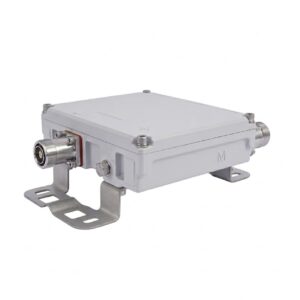
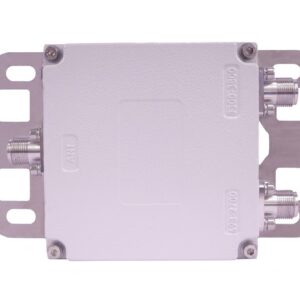
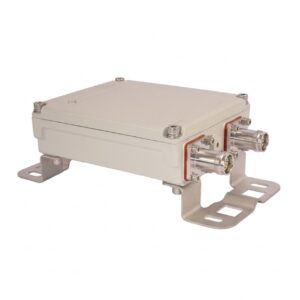
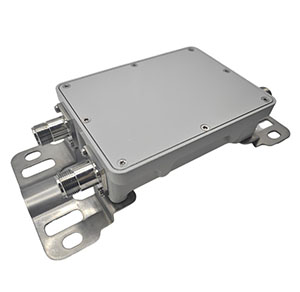
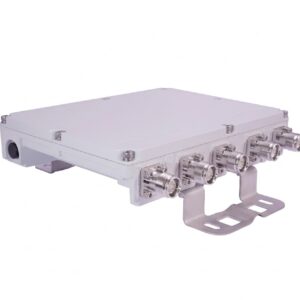
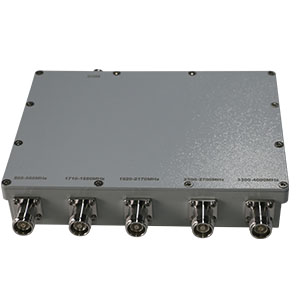
In modern wireless systems like Distributed Antenna Systems (DAS) and Public Safety networks, managing multiple radio signals efficiently is critical. Two essential components for this task are diplexers and combiners, which allow multiple devices to share a single antenna system.

Combiners are designed to merge two or more radio signals onto a single output with minimal interference. They are especially effective for combining nearby carriers, such as two UHF repeaters. By consolidating signals, combiners reduce hardware complexity and lower overall system costs.

Diplexers function as frequency-dependent switches. They use internal filters to combine signals from different frequency bands (e.g., mobile telephony and RAKEL) in one direction while splitting them in the opposite direction. Unlike combiners, diplexers offer lower attenuation, making them the preferred choice when frequency ranges are significantly different.

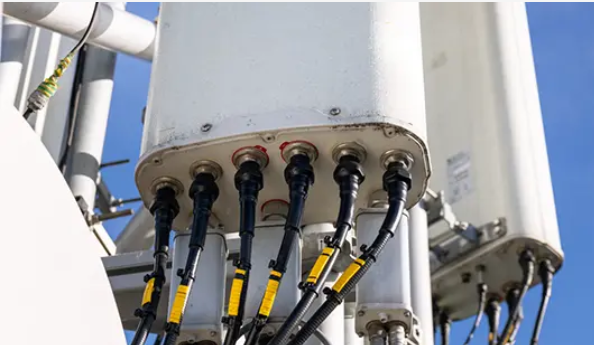
Integrating these passive components ensures seamless coverage in challenging environments like basements and high-rises while maintaining high signal-to-interference ratios. Whether for commercial cellular enhancement or mission-critical emergency responder systems, diplexers and combiners are the backbone of reliable wireless infrastructure.

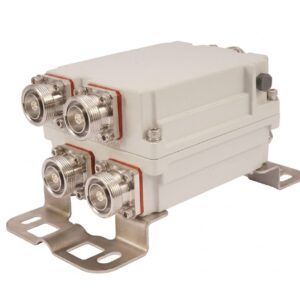
Optimizing Performance with Low-PIM 4x4 Hybrid Matrices

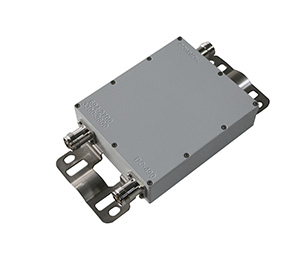
A low-PIM 4×4 hybrid matrix is a high-performance passive component critical for complex signal management in Distributed Antenna Systems (DAS) and modern wireless networks. It provides a robust, multi-network point of interconnection by allowing up to four separate input signals to be combined and distributed across four independent output ports.

Key Advantages:

  • Enhanced Signal Integrity: By achieving low Passive Intermodulation (PIM) ratings, such as -161 dBc, these matrices prevent interference that degrades signal-to-noise ratios, ensuring clear voice and high-speed data transmission.

  • Efficiency and Flexibility: They allow multiple service providers (e.g., Telstra, Optus, Vodafone) to share the same antenna infrastructure. This reduces hardware complexity and lowers total cost of ownership.

  • High Isolation: The matrix ensures high isolation between input ports, preventing signal leakage and ensuring that different frequency bands operate without mutual interference.

Applications: These matrices are indispensable in high-traffic environments like stadiums, shopping malls, and large corporate campuses where consistent, high-capacity coverage is required. They are also used in base station subsystems to simplify cable management and support future-proof 5G upgrade paths.

BY Hefei Bri

TO KNOW MORE ABOUT Hefei Bri DAS ANTENNA? WE'RE WAITING FOR YOURCONTACT!

NO.398,East Huanhu Road,Shu Mountain District, Hefei City,Anhui Province,China

Hefei Bri's UPDATES

Dec 10,2025

Differences Between Directional andOmnidirectional Antennas

READ MORE

Dec 02,2025

What Is a Diplexer and Its Role in RF systems?

READ MORE

NoV 24,2025

Feeder Cables:Uses in RF systems

READ MORE

Scroll to Top