Optimizing 5G Infrastructure: The Strategic Role of the Quad Band Combiner in Modern DAS
In the rapidly evolving telecommunications landscape, the transition to 5G New Radio (NR) has introduced a complex array of new frequency bands, such as the 3300-3800MHz spectrum, alongside legacy 4G and 3G frequencies. At Hefei BRI Electronic & Technology Co., Ltd, we understand that managing these multiple bands within a single Distributed Antenna System (DAS) or iDAS infrastructure requires precision-engineered hardware. As a specialized manufacturer of RF passive products, including quad band combiners, triplexers, and Point of Interface (POI) units, we provide the high-performance solutions necessary for seamless multi-band integration.
This article explores the critical applications and technical parameters of the quad band combiner, highlighting why selecting a reputed partner is essential for successful 5G deployment.
1. Understanding the Quad Band Combiner
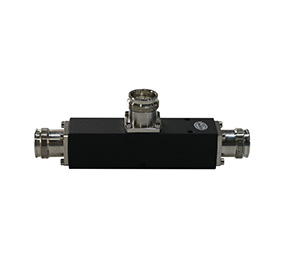
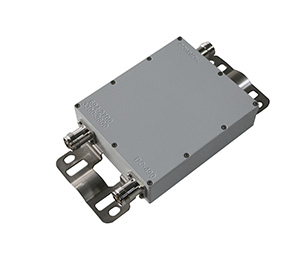
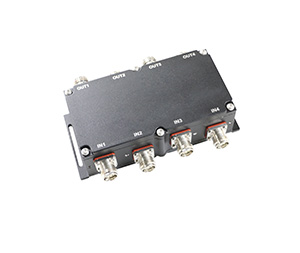
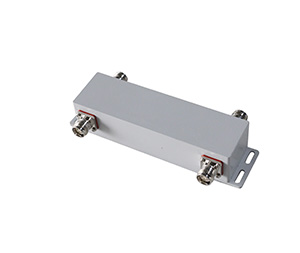
A quad band combiner is a specialized RF passive device designed to merge four distinct frequency bands into a single transmission path, or conversely, to split a multi-band signal into four individual outputs. This capability is fundamental in co-siting scenarios where physical space on towers or within building risers is limited.
Our product range, as detailed in our latest technical documentation, includes advanced configurations designed for the current shift toward 5G:
Dual Band Solutions: Focused on merging 5G (3300-3800MHz) with standard sub-3GHz bands (698-2700MHz).
Tri Band and Quint Band Units: Scaling up to integrate legacy 700/800/900MHz, mid-band 1800-2700MHz, and high-band 3.5GHz signals into a unified infrastructure.
2. Key Applications of Quad Band Combiners
The deployment of a quad band combiner is a strategic necessity in several core areas of telecommunications infrastructure:
Co-Siting and Infrastructure Sharing
One of the primary benefits is the ability to use a single antenna system for multiple technologies (LTE, 5G, UMTS) or multiple operators. This is particularly critical in “neutral host” DAS environments where one physical network must support every major mobile carrier.
Versatile Deployment Scenarios
Modern combiners are designed for maximum installation flexibility:
BTS or Antenna Side: They can be used either at the Base Transceiver Station (BTS) to combine signals for transmission or at the antenna side to interface with multi-band antenna arrays.
Indoor and Outdoor Use: With high ingress protection ratings such as IP68, these units are equally suited for climate-controlled equipment rooms or harsh outdoor environments on rooftops and towers.
Mounting Flexibility: Engineering designs allow for either wall or pole mounting, adapting to the specific constraints of the site.
3. Critical Technical Parameters for Performance
When evaluating a quad band combiner, several key electrical and mechanical parameters determine the long-term reliability and capacity of the network.
Passive Intermodulation (PIM) Rating
PIM is the “silent killer” of network capacity. High PIM levels create noise that interferes with uplink signals, leading to dropped calls and reduced data speeds.
Hefei BRI Standard: Our combiners feature a high-performance PIM rating of -155dBc (measured with 2 x 43dBm tones), ensuring exceptionally clean signal paths for sensitive 5G applications.
Insertion Loss and Isolation
Insertion Loss: To maintain maximum signal strength, our units achieve very low loss, typically <0.3dB to <0.5dB depending on the configuration.
Isolation: Maintaining high isolation (typically >50dB) is crucial to prevent interference between different bands, protecting the sensitive transceivers of the connected base stations.
Power Handling and Environmental Resilience
Maximum Input Power: Designed for high-traffic environments, our units support an average power of 300W per port.
Weatherproofing: An IP68 ingress protection rating provides a total seal against dust and allows for immersion in water, making the units virtually maintenance-free once installed.
Temperature Range: Reliable operation is guaranteed in extreme climates, with an operating range from -40°C to +85°C.
4. The Reputed Manufacturer: Why Partnership Matters
Choosing a customized quad band combiner company over off-the-shelf alternatives can significantly impact project success. While industry giants like Kathrein and Spinner have long-established names, specialized manufacturers like Hefei BRI Electronic & Technology Co., Ltd offer distinct advantages in the current market:
Agility in Customization: We can adapt frequency ranges (e.g., incorporating specific 5G 3800MHz requirements) and connector types, such as the low-PIM 4.3-10 Female standard, to meet specific regional or carrier needs.
Advanced Engineering: Our mechanical designs focus on compact footprints, with some dual-band units as small as 110 x 110 x 44 mm, facilitating easier installation in crowded cabinets.
Integrated Lightning Protection: Every unit includes robust lightning protection (3kA; 10/350 µs pulse), a critical feature for tower-side deployments.
Conclusion
As 5G networks continue to expand into the 3.3-3.8GHz range, the quad band combiner remains a cornerstone of efficient network design. By providing the necessary isolation, low PIM, and environmental durability, these components ensure that multi-band infrastructures can deliver the high-speed connectivity promised by 5G.