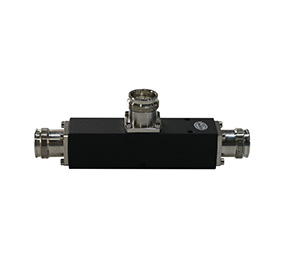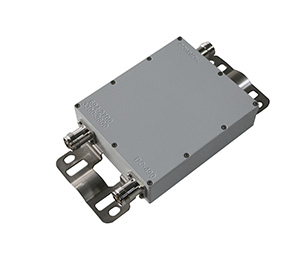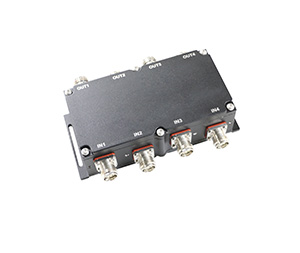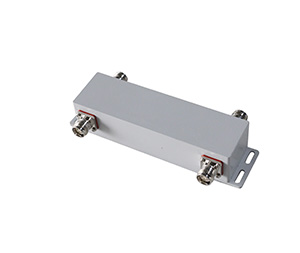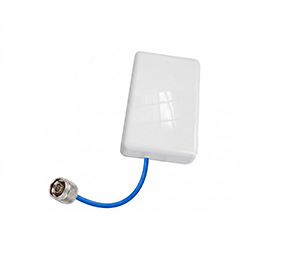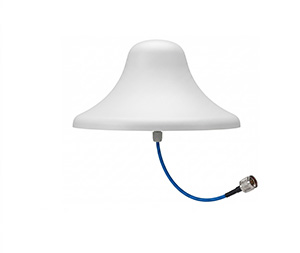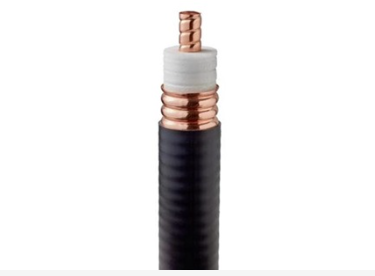
In the complex ecosystem of In-Building Coverage and Distributed Antenna Systems (DAS), every decibel (dB) of signal counts. At Hefei Bri Electronic & Technology Co., Ltd, we design and manufacture the high-performance passive components—like power splitters, hybrid couplers, and antennas—that make these systems possible. However, the performance of our hardware is inherently tied to the coaxial cables used to connect them.
Two of the most popular choices for modern RF installations are LMR-240 and LMR-400. While they look similar on a spool, their electrical characteristics and mechanical properties dictate very different roles in a network. This article will provide a detailed technical breakdown of LMR-240 vs. LMR-400, including datasheet comparisons, loss charts, and application guidance.
1. LMR-240: The Flexible Mid-Range Performer
LMR-240 is a 50-ohm, low-loss coaxial cable designed to replace older RG-8X types. It offers a balanced profile of flexibility and electrical efficiency, making it a favorite for installations where space is a constraint but performance cannot be sacrificed.
LMR 240 Datasheet & Mechanical Specs
The lmr-240 is a “medium-sized” cable, roughly 6.10 mm in diameter, which allows for easier routing through tight conduits compared to its larger siblings.
| Property | Specification |
| Outer Diameter | 0.240 in (6.10 mm) |
| Inner Conductor | 1.42 mm Solid Bare Copper |
| Dielectric | Foam Polyethylene |
| Shielding | Aluminum Tape + Tinned Copper Braid (>90 dB) |
| Installation Bend Radius | 0.75 in (19.1 mm) |
| Operating Frequency | Up to 6 GHz (some variants up to 11 GHz) |
| Peak Power | 5.6 kW |
Typical Applications of LMR-240
Because it is relatively thin and flexible, lmr 240 is ideal for:
Antenna Jumpers: The final “pigtail” connection between a DAS distribution point and a ceiling-mounted antenna.
Short-to-Medium Runs: Indoor cable runs (20–50 feet) where the cable must pass through tight wall cavities or around corners.
Mobile & GPS: Excellent for vehicle-based RF systems where the cable must be snaked through interior trim.
WLAN & Bluetooth: Connecting access points to remote antennas in office environments.
2. LMR-400: The Industry Standard for Performance
The lmr 400 coaxial cable is the “gold standard” for low-loss flexible cables. Designed as a superior replacement for RG-8, its physical size allows for significantly lower attenuation and much higher power handling.
LMR 400 Cable Specs & Datasheet
The lmr-400 is a thicker, more robust cable. It utilizes a gas-injected foam dielectric and a larger center conductor to ensure that signal energy is preserved over much longer distances.
| Property | Specification |
| Outer Diameter | 0.405 in (10.29 mm) |
| Inner Conductor | 2.74 mm (Solid BCCAI or Bare Copper) |
| Dielectric | Gas-Injected Foam Polyethylene |
| Shielding | Aluminum Tape + Tinned Copper Braid (>90 dB) |
| Installation Bend Radius | 1.0 in (25.4 mm) |
| Velocity of Propagation | 85% |
| Peak Power | 16 kW |
Typical Applications of LMR-400
When signal loss is the primary concern, lmr 400 is the preferred choice for:
Main Feed Lines: The primary horizontal or vertical runs in a building that connect the main RF source to splitters/couplers.
LMR 400 Antenna Cable: Used for outdoor-to-indoor links, such as connecting a rooftop donor antenna to an indoor BDA (Bidirectional Amplifier).
Long-Distance Runs: Any run exceeding 50 feet where maintaining signal integrity is critical for system performance.
High-Power Systems: Public safety networks or high-wattage base station links that would cause thinner cables to overheat.
3. The Comparison: LMR 240 vs. LMR 400
Choosing between these two cables usually comes down to a trade-off between physical convenience and electrical performance.
Size and Flexibility
Handling: LMR-240 is significantly easier to install. It is roughly 40% thinner and has a tighter bend radius, which simplifies labor in complex indoor environments.
Durability: LMR-400 is more rigid and heavy. While it is more difficult to pull through conduit, its thicker jacket and internal construction make it more resilient to environmental stress.
Connector Compatibility
Because the cables have different diameters, they require different connectors. lmr 400 cable typically uses larger N-type or 4.3-10 connectors to match its high-power rating, while LMR-240 is often terminated with SMA or smaller N-type connectors.
4. Signal Loss Analysis: LMR 240 Loss vs. LMR 400 Loss
The most vital distinction is the “Insertion Loss” or attenuation. The following charts illustrate how much signal you lose per 100 feet (30.5 meters) of cable.
LMR 240 Coax Loss Chart (Typical)
| Frequency (MHz) | Loss (dB/100ft) |
| 150 MHz | 3.0 |
| 450 MHz | 5.3 |
| 900 MHz | 7.6 |
| 1800 MHz | 10.9 |
| 2500 MHz | 12.9 |
| 5800 MHz | 20.4 |
LMR 400 Coax Loss Chart (Typical)
| Frequency (MHz) | Loss (dB/100ft) |
| 150 MHz | 1.5 |
| 450 MHz | 2.7 |
| 900 MHz | 3.9 |
| 1800 MHz | 5.7 |
| 2500 MHz | 6.8 |
| 5800 MHz | 10.8 |
The Power Comparison
At a typical cellular frequency of 2500 MHz (common for 4G/5G):
LMR-240 loses 12.9 dB per 100ft.
LMR-400 loses only 6.8 dB per 100ft.
This means that over 100 feet, LMR-400 delivers nearly 4 times more power to the antenna than LMR-240. In a DAS environment, using LMR-400 for long runs can mean the difference between needing an extra active amplifier or being able to run a purely passive, high-reliability system.
5. Summary: Which Should You Use?
Use LMR-240 if:
Your cable runs are short (under 25 feet).
You are installing in very tight spaces (e.g., inside wall partitions or small cabinets)
You are creating jumpers to connect components from Hefei Bri Electronic & Technology Co., Ltd.
The system is low-power and budget is a high priority.
Use LMR-400 if:
The cable run is over 50 feet.
You are working with high-frequency bands (3GHz and above).
You are connecting a donor antenna to a signal booster (BDA).
Maximum signal strength and coverage area are the primary goals.
Elevate Your DAS Performance with Hefei Bri
No matter which cable you choose, the connectors and passive components must be of the highest quality to prevent Passive Intermodulation (PIM) and signal degradation. At Hefei Bri Electronic & Technology Co., Ltd, we provide the industry-leading splitters, couplers, and antennas needed to complete your high-performance RF network.
Visit us at www.brielectronics.com to view our full product catalog or to speak with one of our technical sales experts about your next in-building coverage project.